
Shocking Truths Behind Slot Machine Myths and Gambling Addiction Myths
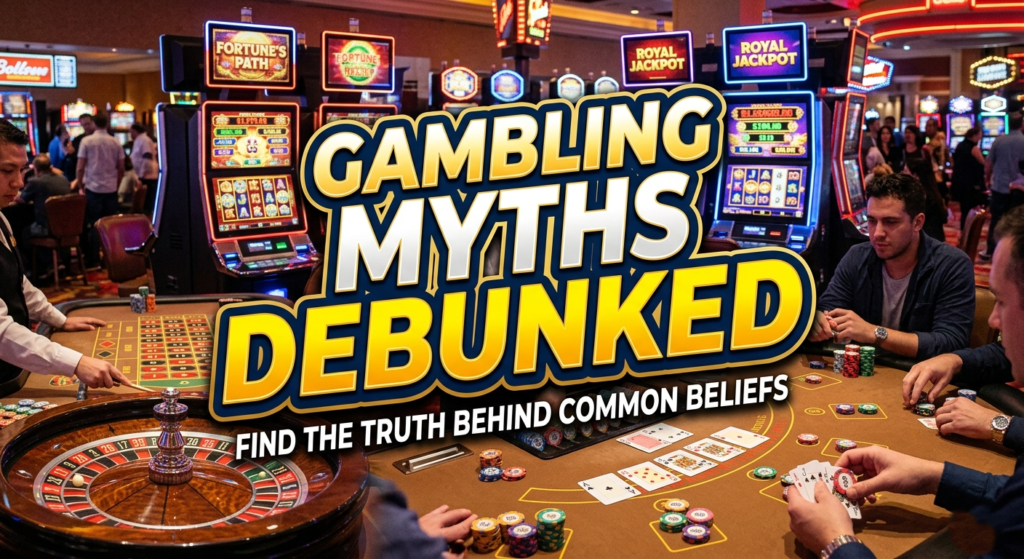
Slot machine myths endure as some of the most pervasive misconceptions in the gambling world, fueling unrealistic expectations and misunderstanding about casino games and addiction. Understanding these myths is critical not just for casual players but also for addressing broader gambling myths that impact social and psychological well-being.
1. The Myth of Hot and Cold Slots
Many gamblers believe slot machines have “hot” and “cold” streaks, where some machines are “due” for a win or destined to continue losing. The truth is that modern slots use random number generators (RNGs), making each spin independent and entirely random. This debunks the popular casino myth that you can predict or time a winning moment.
2. Casinos Can Cheat at Slots
A widespread belief is that casinos manipulate slot machines to cheat players. In regulated jurisdictions, slot machines are tested for fairness by independent bodies, making it illegal to rig games. While scams exist in unregulated environments, reputable casinos operate under strict regulatory scrutiny, debunking this common gambling myth.
3. Card Counting is Illegal Everywhere
Card counting often gets mistakenly equated with cheating or illegal activity. However, it is a legal strategy based on memory and observation, not tampering with the game. Although casinos may ban players engaging in card counting, it is not against the law. Understanding this nuance is essential to dispel myths about gambling tactics.
4. Addiction is Just a Lack of Willpower
One of the most damaging gambling addiction myths is that addiction stems from weak character or willpower. In reality, gambling addiction is a complex psychological disorder influenced by brain chemistry, environmental factors, and psychological vulnerabilities—not simply personal failure.
5. Online Slots Are More Likely to Cheat You
Players often distrust online gaming platforms, assuming they are less fair than land-based casinos. However, trustworthy online casinos use RNG technology vetted by independent authorities to ensure provable fairness. Understanding these mechanisms helps counter myths related to online slot machine fairness.
6. The Gambler’s Fallacy
The belief that a certain outcome is “due” after a series of losses, known as the gambler’s fallacy, is a critical gambling myth. Each game outcome is independent and unaffected by previous spins or hands, making attempts to predict results based on past outcomes statistically invalid.
7. Predictor Tools for Stake Games: The New Frontier
As AI and machine learning technologies evolve, various predictor tools for Stake games have emerged, claiming to forecast outcomes based on patterns or probabilities. These include specialized software for Stake Mines and Stake Blackjack designed to identify gameplay trends or automate betting strategies.
Stake Mines Predictors
These tools claim to analyze previous game results and player data to predict safe moves in Mines, a popular Stake game involving mine avoidance. The software attempts to minimize risk by highlighting safe tiles but cannot guarantee consistent wins due to the game’s inherent randomness.
Stake Blackjack Predictors
Some AI-based tools seek to optimize Blackjack play through probability calculations and card counting simulations. While they can enhance decision-making, they cannot overcome the inherent house edge or eliminate luck, and their use may be restricted or against casino terms.
Risks and Realism
Despite alluring claims, these AI and algorithmic tools come with risks such as overreliance, potential bans by casinos, and financial loss. They reflect a broader trend in AI in gambling optimization, but users should approach them critically and understand their limitations.
8. Psychological and Social Consequences of Gambling Myths
Myths about slots and gambling affect mental health and social dynamics. False beliefs can perpetuate unrealistic expectations, leading to problem gambling behaviors. It is crucial to access professional help when addiction signs appear, as supported by resources like the National Council on Problem Gambling.
9. Legal Myths Around Gambling
Gambling laws vary widely by region, and understanding the legal context is vital. Incorrect assumptions about legality can lead to unintended violations. For instance, while card counting is legal, using external devices to gain advantage is not. Updated legal insights help players stay compliant and informed.
10. Not Everyone is Bound to Lose
Another common myth is that all gamblers inevitably lose money. While casinos have a mathematical house edge, strategic play, knowledge about games, and responsible habits can improve long-term outcomes. Myth-busting helps players approach gambling with realistic expectations and better decision-making.
To explore strategic gameplay further, see guides such as how to play Mines on Stake with strategic tips and analysis on whether Stake Mines is rigged or just unlucky.
Understanding and debunking slot machine myths and related gambling misconceptions is essential for safer, more informed play. Awareness reduces risk, improves psychological well-being, and supports a balanced view of gambling’s role in entertainment.